Albania is the kind of destination that can surprise you in the best possible way. One day, you could be exploring the historic stone streets of Gjirokastër, and the next, swimming in the turquoise waters of the Albanian Riviera. But while the country offers spectacular landscapes, welcoming communities and memorable experiences, traveling here requires a little more preparation than many visitors expect.
These Albania travel tips cover 11 important things tourists often discover only after arriving, from cash payments and unpredictable transportation to mountain roads, local etiquette and seasonal crowds. Whether you’re planning a coastal escape, a cultural adventure or a road trip through the Albanian Alps, this guide will help you avoid common mistakes and make the most of your journey.
1. Carry Albanian Lek and Don't Rely Entirely on Cards
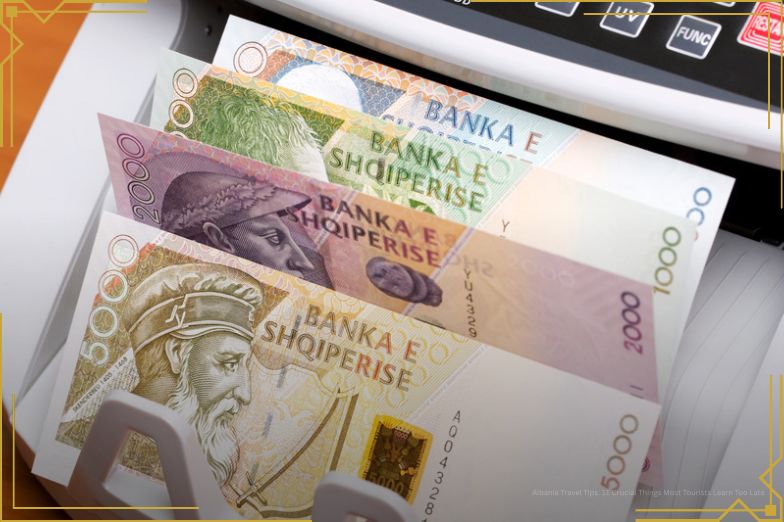
One of the most important Albania travel tips is to carry local currency, even if you normally pay for everything by card. Albania uses the Albanian lek (ALL), and while larger hotels, supermarkets, and some restaurants accept cards, smaller businesses frequently prefer cash.
This is especially important when visiting rural villages, using local transportation or exploring destinations outside major tourist centers.
Understanding Albanian Currency: Lek, Cash and Card Payments
Albania remains relatively cash-dependent compared with many Western European destinations. Tourists who arrive expecting to use their credit cards everywhere may quickly discover that everyday purchases require physical money.
Here are a few things to remember:
- Official currency: The Albanian lek (ALL).
- Cash payments: Common at markets, cafés, guesthouses and local transportation services.
- Credit cards: More widely accepted at larger hotels, supermarkets and established restaurants.
- ATMs: Generally available in cities but less accessible in remote areas.
- Euros: Sometimes accepted by tourism businesses, but exchange rates may be unfavorable.
- Small denominations: Useful for taxis, local buses, tips and smaller purchases.
- Old lek terminology: Some people may quote prices using an older convention that adds an extra zero, so clarify the amount before paying.
One mistake worth avoiding is exchanging all your money at the airport without comparing rates. I recommend carrying enough lek for daily expenses, keeping a backup payment card and withdrawing additional cash before heading into remote areas.
Traveler tip: When using an ATM, check withdrawal fees and consider declining the machine’s currency conversion offer if your own bank provides a better rate.
2. Understand How Furgons Work Before Using Public Transportation
Albania’s public transportation system can be inexpensive and useful, but it may not operate with the predictability visitors expect. Shared minibuses known as furgons connect many towns and cities, although departure arrangements and schedules can vary.
If you are traveling without a rental car, understanding how these services work can save you time and frustration.
Albania Furgon Guide: What First-Time Visitors Should Know
A furgon is a shared minibus commonly used for local and regional transportation. Some services operate from established terminals, while others may have less formal pickup arrangements or schedules that require confirmation locally.
Before relying on a furgon, keep these points in mind:
- Departure locations: Confirm the exact terminal or pickup point.
- Schedules: Check departure times locally, as online information may be incomplete.
- Cash payments: Carry lek for fares.
- Luggage: Ask about space for large suitcases.
- Travel time: Allow extra time for stops and traffic.
- Comfort: Vehicle size and air-conditioning can vary.
- Connections: Avoid planning tight transfers between separate services.
- Return journeys: Confirm the last available departure before leaving.
One of the most common Albania travel mistakes is assuming every route operates like a scheduled European train service. A journey that looks straightforward on a map can require additional planning, particularly when traveling between smaller towns.
For travelers with limited vacation time, I would consider a private transfer for complicated routes or important connections.
3. Think Carefully Before Renting a Car in Albania
Renting a car in Albania can provide flexibility, especially if you want to explore the Riviera, historic towns and countryside at your own pace. However, driving conditions, parking arrangements and rental requirements deserve careful consideration before you book.
A rental car can be a great option for confident drivers, but it is not automatically the best choice for every itinerary.
Renting a Car in Albania: What to Check Before Booking
A rental car allows you to visit places that are difficult to reach by public transportation. It also gives you more control over sightseeing stops and departure times, particularly when traveling between several regions.
Before booking, review the following:
- Driver’s license: Confirm which license and international permit requirements apply to your nationality.
- Insurance: Understand collision coverage, deductibles, and exclusions.
- Vehicle type: Choose a car suited to your planned routes.
- Transmission: Confirm whether the vehicle is manual or automatic.
- Road restrictions: Check whether the rental agreement prohibits certain roads.
- Parking: Research parking availability at your accommodations.
- Border crossings: Obtain permission if you plan to drive into neighboring countries.
- Vehicle inspection: Photograph existing damage before leaving the rental location.
I recommend choosing a rental company with clear terms rather than selecting the cheapest advertised rate. Unexpected insurance charges or restrictions can quickly reduce the value of a low-cost booking.
If you prefer not to drive, combining local transfers with guided excursions can still provide an enjoyable and flexible Albanian vacation.
4. Prepare for Mountain Roads and Different Driving Conditions
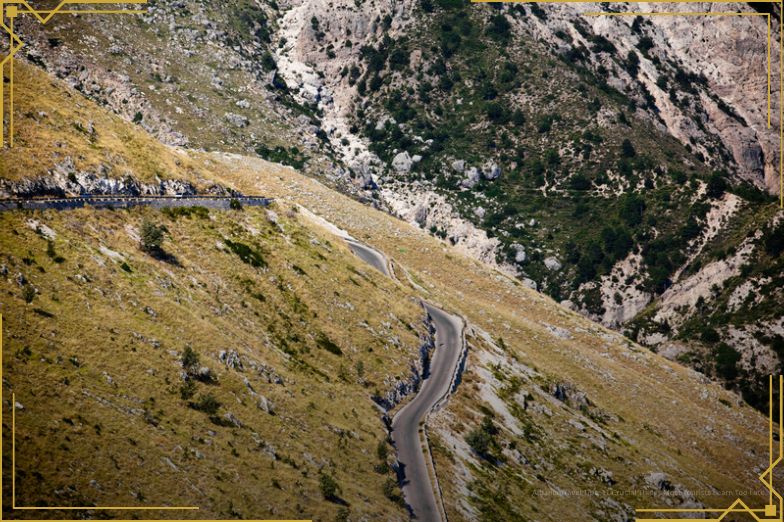
Driving in Albania can be rewarding because of its dramatic scenery, but some roads require extra caution. Mountain passes, narrow rural roads, limited lighting, and unpredictable traffic behavior can make driving more demanding than visitors anticipate.
Planning your routes carefully is particularly important when traveling through the Albanian Alps or between remote villages.
Driving in Albania: Tips for a Safer Road Trip
Road quality varies considerably between major highways and secondary routes. Some mountain roads have sharp curves, limited guardrails, or poor surfaces, making daylight travel and realistic schedules especially important.
Keep these driving tips in mind:
- Avoid unnecessary nighttime driving: Especially on rural and mountain roads.
- Allow extra travel time: Winding routes can take longer than expected.
- Watch for animals: Livestock and other animals may appear on rural roads.
- Follow speed limits: Do not match unsafe driving behavior.
- Check weather conditions: Snow, fog, and heavy rain can affect mountain routes.
- Download offline maps: Mobile coverage may be inconsistent in remote areas.
- Wear seat belts: Ensure everyone in the vehicle is properly secured.
- Check road accessibility: Some remote routes may require specialized vehicles or local transportation.
The goal is not to discourage driving, but to help you approach it realistically. If a route looks particularly challenging, I would rather arrange a knowledgeable local driver than risk turning a scenic day into a stressful experience.
For current road safety guidance, consult the U.S. Department of State’s Albania travel advisory.
5. Don't Underestimate Travel Times Between Destinations
Albania may look small on a map, but traveling between destinations can take longer than expected. Mountain roads, coastal traffic, limited public transportation connections, and sightseeing stops can significantly affect your schedule.
One of the biggest Albania tourist mistakes is trying to visit too many places in a short trip.
How to Build a Realistic Albania Travel Itinerary
A successful itinerary balances travel time with opportunities to experience each destination. Instead of changing hotels every night, I recommend choosing a few convenient bases and exploring nearby attractions from there.
Here is a practical starting point:
| Destination | Main Attractions | Suggested Stay |
|---|---|---|
| Tirana | Skanderbeg Square, museums, cafés and city culture | 1–2 nights |
| Berat | Ottoman architecture, castle and historic neighborhoods | 1–2 nights |
| Gjirokastër | Stone houses, castle and traditional streets | 1–2 nights |
| Himarë | Beaches, coastal villages and Riviera scenery | 2–3 nights |
| Sarandë and Ksamil | Beaches, Butrint and coastal excursions | 2–3 nights |
| Theth or Valbona | Mountain scenery and hiking | 2–3 nights |
Suggested stays are planning recommendations, not fixed requirements. Travel times depend on your route, season, and transportation.
For a first visit, I would prioritize either a southern cultural and coastal route or a northern mountain-focused adventure if you have only one week.
Trying to cover the entire country in seven days can leave you spending more time in transit than enjoying the places you came to see.
Explore our blog, “12 Most Beautiful Places to Visit in Albania,” to discover breathtaking destinations, hidden gems and must-see attractions worth adding to your trip.
6. Learn a Few Albanian Phrases Before Your Trip
English is commonly used in many tourist-facing businesses, particularly in larger cities and popular coastal destinations. However, the Albania language barrier can become more noticeable in smaller villages, local markets and remote areas.
Learning a few basic Albanian expressions can make everyday interactions easier and show appreciation for the local culture.
Useful Albanian Phrases for Tourists
Albanian is the country’s official language, and it has a distinctive vocabulary that may be unfamiliar to many travelers. Even a few simple phrases can help when greeting someone, ordering food or asking for assistance.
Here are some useful expressions:
- Përshëndetje: Hello
- Mirëmëngjes: Good morning
- Faleminderit: Thank you
- Ju lutem: Please
- Po: Yes
- Jo: No
- Mirupafshim: Goodbye
- Sa kushton?: How much does it cost?
- Më falni: Excuse me or sorry
I recommend downloading an offline translation app before leaving your hotel. It can be particularly helpful when discussing transportation, dietary needs, or accommodation arrangements.
You do not need to speak Albanian fluently to enjoy the country. A friendly attitude, patience, and a willingness to communicate can make a meaningful difference.
7. Understand Local Etiquette and Tipping Customs
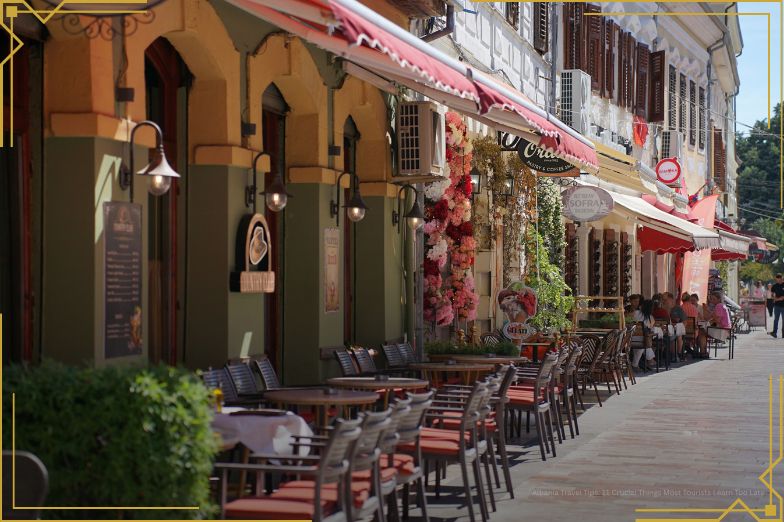
Albanian hospitality is an important part of the country’s cultural identity, and visitors often encounter a warm welcome in restaurants, guesthouses and local communities. Still, understanding basic etiquette can help you avoid awkward situations.
Tipping in Albania is appreciated for good service, but practices vary by establishment and situation.
Tipping in Albania: Restaurants, Guides and Drivers
Tipping is generally discretionary rather than a universal mandatory charge. In restaurants, rounding up the bill or leaving approximately 5% to 10% for good service is a practical guideline, depending on the setting.
Common tipping considerations include:
- Restaurants: Consider leaving around 5% to 10% for good service.
- Cafés: Rounding up the bill may be sufficient.
- Taxis: Rounding up is a convenient option.
- Private drivers: Consider the length and quality of service.
- Tour guides: Tips may be appropriate for knowledgeable, attentive service.
- Hotels: Small tips may be appreciated for luggage assistance or exceptional service.
Always check whether a service charge has already been included. I recommend carrying small bills so you can tip conveniently without needing change.
Cultural Etiquette That Visitors Should Respect
Cultural expectations can vary between urban centers and traditional rural communities. Being respectful, asking permission before photographing people, and dressing appropriately at religious sites are simple ways to avoid misunderstandings.
Keep these customs in mind:
- Greet people politely when entering smaller businesses.
- Ask permission before photographing individuals.
- Dress respectfully when visiting religious sites.
- Avoid making assumptions about local customs.
- Be patient when language differences arise.
- Respect private property and local communities.
- Accept that service styles may differ from those in your home country.
A little cultural awareness can make your trip more enjoyable and meaningful. Rather than approaching Albania with expectations based on other European destinations, I recommend appreciating the country on its own terms.
8. Choose Your Travel Season Carefully
The best time to visit Albania depends on whether you want beaches, mountain hikes, cultural sightseeing or a combination of experiences. Summer offers warm weather and lively coastal destinations, but it also brings heavier crowds and increased demand for accommodations.
Spring and early autumn can be excellent alternatives for travelers seeking pleasant weather and a more relaxed atmosphere.
Best Time to Visit Albania by Travel Style
Albania’s coastal and mountain regions experience different seasonal conditions. The ideal month for swimming in the Riviera may not be the best month for a high-altitude hiking itinerary.
Use this seasonal guide when planning:
| Season | Best For | What to Expect |
|---|---|---|
| Spring: April–May | Historic towns, sightseeing and countryside | Mild weather and generally fewer crowds |
| Early Summer: June | Beaches and coastal exploration | Warm weather with growing visitor numbers |
| Peak Summer: July–August | Swimming and lively seaside destinations | Hot weather, busy beaches and higher accommodation demand |
| Early Autumn: September | Riviera trips and cultural sightseeing | Warm conditions and generally fewer crowds than peak summer |
| Autumn: October–November | City breaks and lower-elevation sightseeing | Cooler temperatures and changing weather |
| Winter: December–March | City visits and selected winter experiences | Colder weather and possible mountain travel restrictions |
Conditions vary by region and year. High-altitude hiking routes may remain inaccessible outside the warmer months.
If I were planning a first-time Albania itinerary combining historic towns and coastal scenery, I would strongly consider June or September.
For mountain hiking, I would pay particular attention to trail conditions, weather forecasts and local guide recommendations rather than relying on the calendar alone.
9. Know What to Expect From Safety and Tourist Scams
A common question is, “Is Albania safe for tourists?” Many travelers visit Albania without serious problems, but normal travel precautions remain important, especially in crowded areas, on roads and in remote regions.
Safety conditions can change, so visitors should review current government travel advisories before departure.
Common Albania Travel Mistakes That Affect Safety
Most preventable problems involve poor transportation decisions, unsecured belongings or inadequate preparation. Travelers should be particularly careful when driving, using taxis or visiting unfamiliar areas after dark.
Important precautions include:
- Use licensed taxis: Avoid unmarked vehicles.
- Confirm fares: Ask about the meter or agreed price before departure.
- Protect valuables: Keep phones, wallets and passports secure.
- Avoid isolated areas at night: Especially when unfamiliar with the surroundings.
- Choose reliable transportation: Check vehicle condition and seat belts.
- Follow local road rules: Do not take unnecessary driving risks.
- Keep emergency information: Save accommodation and emergency contact details.
- Check travel advisories: Review updates before and during your trip.
As of October 2026, the U.S. Department of State advises travelers to exercise increased caution in Albania due to crime. Other governments may assess the overall risk differently, so consult the advice relevant to your nationality.
I would not let exaggerated stereotypes define my expectations of Albania, but I also would not ignore practical safety guidance. Sensible preparation makes it easier to enjoy the destination confidently.
10. Plan Your Riviera and Mountain Adventures in Advance
Albania offers two very different types of adventure: Mediterranean-style beaches along the Riviera and dramatic alpine landscapes in the north. Both are worth exploring, but each requires different planning considerations.
Popular coastal accommodations can fill up during summer, while mountain activities depend heavily on weather, trail conditions, and transportation availability.
Visiting the Albanian Riviera
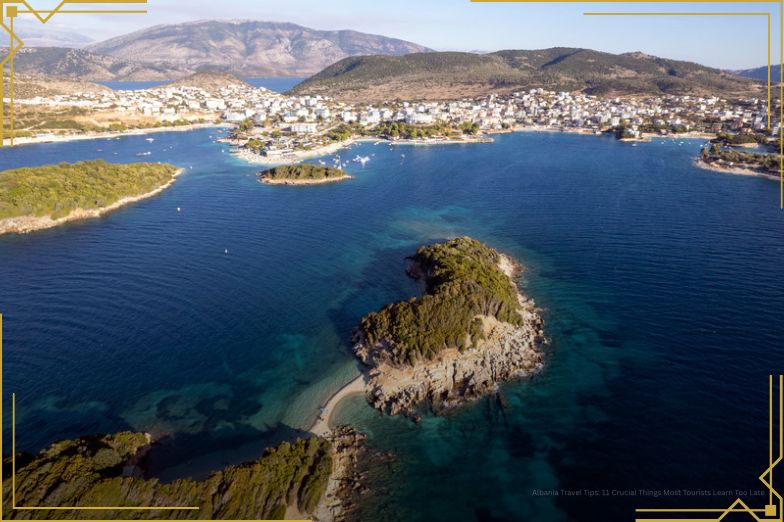
The Albanian Riviera is known for turquoise water, rocky coves, seaside villages and scenic coastal roads. Destinations such as Himarë, Dhërmi and Ksamil attract visitors looking for beach relaxation and coastal exploration.
Before visiting, consider:
- Accommodation: Book early for July and August.
- Beach access: Some beaches involve stairs, rocky paths or boat transportation.
- Beach facilities: Confirm whether loungers and umbrellas require payment.
- Parking: Research options before arriving at popular beaches.
- Water activities: Check weather and sea conditions.
- Day trips: Allow time for coastal villages and historic attractions.
- Crowds: Consider June or September for a quieter experience.
I recommend choosing a coastal base that matches your preferred atmosphere rather than moving between every famous beach. Staying in one location for several nights gives you more time to enjoy the coastline without constantly packing and unpacking.
Exploring the Albanian Alps
Northern Albania offers mountain landscapes, traditional guesthouses, and hiking routes around destinations such as Theth and Valbona. These experiences can be rewarding for adventurous travelers, but they require more preparation than a typical city break.
Before heading into the mountains:
- Check trail conditions and seasonal accessibility.
- Review weather forecasts before hiking.
- Choose routes appropriate for your fitness level.
- Consider hiring a qualified local guide.
- Confirm guesthouse reservations in advance.
- Arrange transportation to and from trailheads.
- Carry appropriate footwear, clothing, and water.
- Share your planned route with someone you trust.
One of the biggest mistakes is treating a mountain hike like an ordinary sightseeing walk. I would rather build extra time into the itinerary than rush through a demanding route or travel without understanding the conditions.
11. Check Entry Requirements, Connectivity and Travel Essentials
One of the most overlooked parts of an Albania vacation planning guide is preparing the practical details before departure. Entry rules, mobile connectivity, travel insurance, and access to essential services can affect your trip just as much as your itinerary.
A little preparation can prevent unnecessary complications when you arrive.
What to Know Before Going to Albania
Entry requirements depend on your nationality, passport and intended length of stay. Travelers should verify the rules that apply to them directly with the relevant authorities rather than assuming Albania follows the same requirements as neighboring European countries.
Before departure, check:
- Passport validity: Confirm the requirements for your nationality and route.
- Visa rules: Check whether you need a visa and how long you may stay.
- Travel insurance: Choose coverage suitable for your planned activities.
- Mobile data: Review roaming charges or local SIM and eSIM options.
- Offline maps: Download maps for rural and mountain areas.
- Accommodation details: Save addresses and contact numbers.
- Power adapters: Albania commonly uses European Type C and F plugs.
- Medication: Bring essential prescriptions and supporting documentation when necessary.
- Emergency contacts: Save local emergency numbers and embassy information.
- Travel documents: Keep secure digital and physical copies where appropriate.
Albania is not part of the Schengen Area, so travelers should not assume that Schengen entry rules automatically apply. If your journey includes neighboring countries, check the requirements for each destination separately.
For current visa and entry information, consult the Albanian Ministry for Europe and Foreign Affairs.
Plan Your Albania Adventure With Hourglass Expeditions
One of the things I love most about travel is discovering destinations that offer something unexpected, whether that’s wandering through a centuries-old stone town, following a scenic coastal road or exploring mountain landscapes far from the usual tourist routes. Albania brings these experiences together in a remarkable way, and I’d love to help you plan a journey that balances adventure, comfort, and authentic cultural discovery. Through my Luxury & Adventure Travel Agency, I can help you create a thoughtfully planned Albania itinerary based on the places and experiences that interest you most.
Whether you’re dreaming of the turquoise waters of the Albanian Riviera, the historic streets of Berat and Gjirokastër or a mountain escape in the Albanian Alps, I’d love to help turn your travel ideas into an unforgettable adventure. And if you’d prefer to explore beautiful destinations by sea, take a look at my Affordable Cruises for more inspiration, or contact Hourglass Expeditions to start planning your next journey.
Frequently Asked Questions About Traveling to Albania
Is Albania safe for tourists?
Albania can be an enjoyable destination for tourists who follow sensible travel precautions. However, travelers should remain alert to theft, transportation risks and changing local conditions, particularly in remote areas. Review your government’s latest travel advisory before departure and take extra care when driving or using unfamiliar transportation services.
Do I need cash when traveling in Albania?
Yes, carrying Albanian lek is strongly recommended because many smaller businesses, local transportation providers and rural accommodations prefer cash. Credit cards are more widely accepted in larger hotels, supermarkets and established businesses. I recommend keeping small denominations available and withdrawing cash before visiting remote destinations.
Is renting a car in Albania worth it?
Renting a car can be worthwhile if you want flexibility and plan to visit several destinations that are difficult to reach by public transportation. However, mountain roads, traffic conditions and parking can make driving more challenging. Confident drivers may appreciate the independence, while others may prefer private transfers or guided transportation.
What is the best time to visit Albania?
June and September are excellent months to consider for a trip combining beaches and cultural sightseeing. July and August are popular for coastal vacations but generally bring larger crowds and stronger demand for accommodations. Mountain hiking seasons depend on elevation, weather and trail conditions, so always check locally before planning high-altitude activities.
Is Albania expensive for tourists?
Albania offers accommodation, dining and transportation options across a range of budgets. Costs depend on your destination, travel season, accommodation preferences and whether you use public transportation, rental cars or private transfers. Popular Riviera destinations during peak summer can be considerably more expensive than smaller inland towns or off-season travel.
Can I travel around Albania without a car?
Yes, many destinations are accessible by buses, furgons and private transfers. However, schedules and connections may be less predictable than visitors expect, especially in smaller towns. I recommend allowing extra travel time and arranging private transportation for remote locations or time-sensitive journeys.
How many days do I need to visit Albania?
Seven to ten days can provide a rewarding introduction to Albania if you focus on a manageable region or route. A longer trip allows more time to combine Tirana, historic towns, the Albanian Riviera and the northern mountains. I recommend choosing fewer destinations and spending more time exploring each one rather than trying to see the entire country in a week.
What are the biggest Albania tourist mistakes?
Common mistakes include relying entirely on credit cards, underestimating driving times, planning too many destinations, and failing to check transportation schedules. Travelers may also overlook seasonal crowds, mountain weather, and entry requirements. Preparing for these details in advance can help make your trip more comfortable and enjoyable.