Antarctica Camping Experience on the Edge of the World
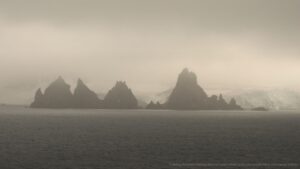
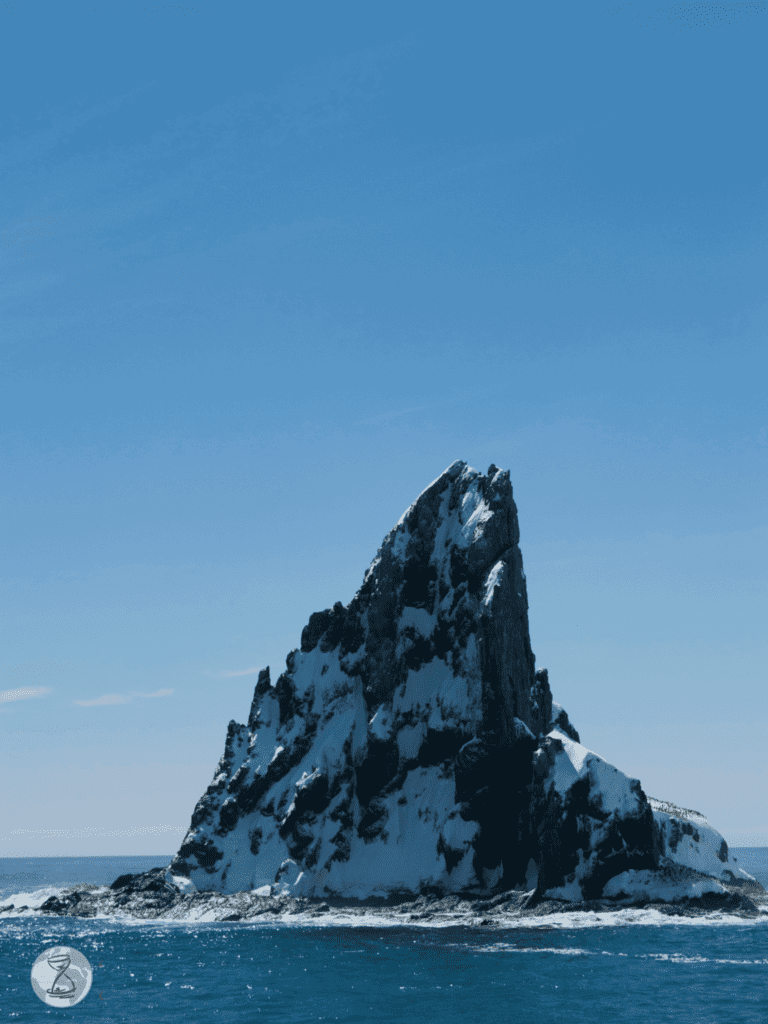
At 67° 51’ South, 67° 12’ West, tucked along the western coast of Graham Land, lies Horseshoe Island—a small, rocky outcrop marked by the lonely silhouette of Station Y, a former British research base from the 1950s. Decades of wind and ice have battered its weathered structures, leaving behind a haunting reminder of the scientists and explorers who once called this frozen frontier home.
This was where our Zodiacs dropped us off—sleds, gear, and all—for what might be the most extreme camping experience on Earth: a night in Antarctica.
Hauling Into the Frozen Unknown
Since 1992, dogs have been banned from Antarctica to protect its fragile ecosystem. That meant no huskies, no sled teams—just us, each pulling our own pulk (sled) across uneven terrain. Our guide led the way, jabbing his pole into the ice every few feet to test its stability. The silence was occasionally broken by the crunch of our boots or the hiss of shifting wind. The thought of a hidden crevasse—black, bottomless, and waiting—was enough to keep every step deliberate.
When we reached our campsite, we got straight to work. Red two-person tents sprouted across the icy expanse like bright beacons in a white desert. Inside, we layered insulated sleeping bags and foam liners—our only defense against the cold seeping up from the frozen ground.
Dinner had been served hours earlier aboard the ship, so the night ahead would be fueled only by an energy bar and a thermos of water. Antarctica’s “Leave No Trace” rule is absolute: everything brought in must leave—including human waste, which was handled with a portable toilet discreetly placed behind a small ice mound, marked by a removable flag to signal it was “occupied” . Even in this desolate wilderness, respect for the environment is nonnegotiable.

A Silence Beyond Imagination
Once our camp was set, a few of us wandered beyond a nearby ridge, away from the small cluster of red tents and faint chatter of other campers. Within minutes, the sounds of human life disappeared. There was no wind, no waves, no wildlife—nothing.
It was the purest silence I’ve ever experienced. Even the memory of an anechoic chamber—a room built to absorb sound—didn’t compare to this vast, natural stillness. The only noise was the faint thud of my own heartbeat echoing in my head. My friends and I stood motionless, grinning in disbelief, immersed in the profound quiet of a world untouched by sound.
That moment—just us and the ice—was surreal. Time seemed to pause. Eventually, we whispered to one another, almost afraid to break the spell, and began the short trek back to camp.
A Night Like No Other
There’s not much “activity” when you’re camping on the coldest, driest, windiest continent. Once the brief twilight faded, we crawled into our tents, cocooned ourselves in sleeping bags, and tried to sleep through the polar night. The distant groan of shifting ice occasionally reminded us of where we were—balanced at the edge of the world.
By morning, the guides signaled that it was time to pack up. We dismantled the camp, retied ropes around our waists, and dragged our pulks back across the ice toward Horseshoe Base, where the Zodiacs waited to return us to the ship—and to the luxury of hot showers and breakfast.
Reflections on a Frozen Frontier
While our brief stay was nothing like the trials faced by early explorers such as Ernest Shackleton or Roald Amundsen, it was still a journey into the extraordinary. To pitch a tent where almost no human has ever stood, to feel the silence of a continent older than civilization itself—that is an experience impossible to replicate.
Camping in Antarctica isn’t about endurance or survival. It’s about humility—a reminder that even in our modern age, there are still places where nature reigns absolutely, and where silence can be louder than sound.