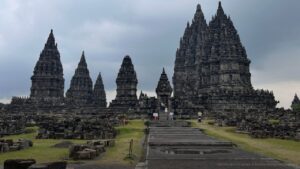
Travel today isn’t just about reaching a destination; it’s about connecting with the roots of human civilization and tracing paths that shaped trade, culture, and belief across continents. Historical routes allow travelers to follow the footsteps of explorers, traders, and pilgrims who once linked distant lands. These ancient pathways reveal how ideas, goods, and stories moved between worlds, and walking them today offers a chance to reflect on how our shared history continues to influence modern travel experiences.
From the bustling ancient cities along the Silk Road to the serene pilgrimage trails of Japan, these routes offer more than scenic landscapes. They tell stories of resilience, discovery, and human connection that transcend time. Walking these roads lets travelers witness historical architecture, local traditions, and spiritual landmarks that have survived through centuries. Exploring these paths provides a deep sense of continuity, reminding us that the adventure of discovery has always been part of the human spirit.
Historical Routes and Ancient Travel Paths to Explore

1. The Silk Road, Central Asia
The legendary Silk Road is one of the most famous historical routes in the world. Spanning from China to the Mediterranean, it connected Asia, the Middle East, and Europe through a vast network of trade routes. Modern travelers can still explore many sections of this ancient passage, from the deserts of Uzbekistan to the mountain passes of Kyrgyzstan. This route offers a fascinating mix of ancient ruins, cultural heritage, and breathtaking landscapes that tell the story of centuries of exchange and exploration.
Things to Do:
- Samarkand Registan Square: Admire the intricate mosaics and grand architecture that once welcomed merchants from all over Asia.
- Bukhara Old Town: Wander through centuries-old markets and mosques that preserve the city’s vibrant trading history.
- Tianshan Mountains: Hike through dramatic peaks once crossed by Silk Road caravans, offering panoramic views of Central Asia.
- Xi’an’s Terracotta Army: Visit the starting point of the Silk Road and explore the mausoleum of China’s first emperor.
- Yurt Stay in Kyrgyzstan: Experience traditional nomadic life under the vast skies where traders once rested.
The Silk Road today remains a living museum of culture and history. Walking this route allows travelers to relive a story that shaped civilizations while immersing in local traditions that have survived for centuries.

2. Camino de Santiago, Spain
The Camino de Santiago, also known as the Way of St. James, is one of Europe’s oldest pilgrimage routes. It winds across northern Spain, leading to the cathedral of Santiago de Compostela, where the remains of St. James are said to rest. This trail has drawn pilgrims for over a thousand years, blending spiritual reflection with cultural exploration. Modern travelers can experience both religious devotion and scenic beauty as they pass through charming villages, vineyards, and medieval towns.
Things to Do:
- Burgos Cathedral: Visit one of Spain’s most iconic Gothic cathedrals, an important stop for pilgrims.
- Leon’s Historic Quarter: Explore cobblestone streets filled with lively cafes and historical landmarks.
- The Pyrenees Crossing: Begin the journey through mountain passes offering spectacular sunrise views.
- Galician Cuisine: Enjoy local dishes like pulpo a la gallega after a long day of walking.
- Pilgrim Passport Stamping: Collect stamps along the route as a record of your spiritual journey.
The Camino de Santiago is more than a trail; it’s a shared human experience of endurance and reflection. Each step brings a sense of accomplishment, connection, and peace, creating memories that stay long after the journey ends.

3. Inca Trail, Peru
Peru’s Inca Trail is one of the world’s most iconic ancient routes, leading travelers through the heart of the Andes to the majestic city of Machu Picchu. Originally used by the Incas for ceremonial and trade purposes, this trail showcases stone-paved paths, cloud forests, and archaeological wonders. Walking the Inca Trail is like traveling back in time, revealing the engineering mastery and spiritual depth of the Inca civilization.
Things to Do:
- Ollantaytambo Ruins: Explore the ancient fortress town that served as a key stop on the Inca network.
- Dead Woman’s Pass: Conquer the trail’s highest point with stunning mountain views.
- Wiñay Wayna Ruins: Discover terraced slopes and temples tucked into the forest.
- Machu Picchu Sunrise: Arrive at the Sun Gate for an unforgettable morning view of the lost city.
- Local Quechua Villages: Interact with descendants of the Incas and learn about their enduring traditions.
Walking the Inca Trail is both a physical and spiritual experience. The journey rewards travelers with awe-inspiring scenery and a deeper connection to ancient cultures that revered nature and the cosmos.

4. Kumano Kodo, Japan
The Kumano Kodo pilgrimage trails in Japan have guided travelers through sacred mountains for over a thousand years. Once walked by emperors and monks seeking enlightenment, these routes connect ancient shrines and serene forests in the Kii Peninsula. The path offers not only a physical journey but also a meditative retreat surrounded by nature and spirituality.
Things to Do:
- Nachi Taisha Grand Shrine: Visit this UNESCO World Heritage site near Japan’s tallest waterfall.
- Yunomine Onsen: Relax in one of Japan’s oldest hot springs, used by pilgrims for purification rituals.
- Kumano Hongu Taisha: Explore the heart of the pilgrimage network and admire the towering torii gate.
- Forest Walks: Wander through cedar-lined paths filled with birdsong and quiet reflection.
- Local Ryokan Stay: Experience Japanese hospitality with traditional meals and serene garden views.
The Kumano Kodo trail offers a unique combination of cultural history and spiritual tranquility. Walking through misty forests and ancient villages helps travelers reconnect with simplicity, mindfulness, and nature’s calm.

5. Via Francigena, Europe
The Via Francigena was once the main route for pilgrims traveling from Canterbury, England, to Rome, Italy. This medieval trail crosses the heart of Europe, passing through France, Switzerland, and Italy, offering a fascinating mix of landscapes and historical towns. Modern travelers walking this route witness centuries-old churches, charming countryside views, and the essence of European cultural evolution.
Things to Do:
- Canterbury Cathedral: Start the journey at one of England’s most important pilgrimage sites.
- The Alps Crossing: Experience breathtaking mountain scenery between Switzerland and Italy.
- Tuscany Villages: Stroll through rolling vineyards and medieval stone towns.
- Rome’s St. Peter’s Basilica: Conclude the pilgrimage at one of Christianity’s holiest sites.
- French Countryside Inns: Stay at rustic inns that have hosted travelers for centuries.
The Via Francigena offers a blend of adventure, faith, and cultural immersion. Each segment provides an opportunity to slow down and appreciate the beauty of Europe’s history and diverse landscapes.
Historical routes are more than travel paths; they are living bridges between past and present. Each step taken along these ancient roads allows travelers to experience the world through the eyes of those who shaped history. These journeys provide more than exploration; they offer reflection, perspective, and a renewed appreciation for human connection through time.
Ready to plan your own historical journey? Contact Hourglass Expeditions to create a customized itinerary through ancient trade paths, pilgrimage trails, or forgotten routes. Let us guide you on a meaningful adventure that blends culture, history, and timeless discovery.