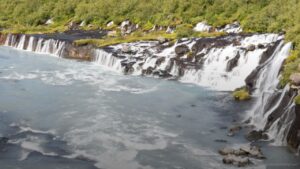
Iceland is a land of stunning natural beauty, a place where fire meets ice, and every turn offers a breathtaking view. From cascading waterfalls and majestic glaciers to bubbling hot springs and the ethereal glow of the Northern Lights, this island nation promises an unforgettable vacation. If you’re planning a trip, finding the top things to do in Iceland and discovering where to go and what to see is key to making the most of your adventure.
This guide will take you through 20 of the most incredible places to visit in Iceland, helping you plan an itinerary packed with awe-inspiring destinations. Whether you’re considering a self-driving tour or looking to book your tours, get ready to explore Iceland like never before.
Must-See Wonders Along the Golden Circle
The Golden Circle is Iceland’s most famous sightseeing route, easily accessible from Reykjavik. It’s a fantastic way to experience some of the country’s iconic natural wonders in a single day or over a relaxed two-day trip, making it perfect for those with limited time or as an introduction to Iceland’s dramatic landscapes.

1. Thingvellir National Park
Thingvellir National Park (Þingvellir) is not only a site of immense natural beauty but also profound historical significance for Iceland. It’s the original site of the Althing, Iceland’s ancient parliament, established in 930 AD, making it a UNESCO World Heritage site and a symbol of Icelandic national identity. Geologically, it’s fascinating because it sits directly on the divergent boundary of the North American and Eurasian tectonic plates. You can literally walk between the continents in the Almannagjá gorge, witnessing the visible rift valley formed by the plates slowly pulling apart. The area is also characterized by beautiful lava fields, clear waters, and rugged cliffs, offering serene walking paths and incredible viewpoints.
Location: Southwest Iceland, approximately 45 minutes east of Reykjavik, part of the Golden Circle route.
Best Time to Visit: Year-round. Summer (June-August) offers long daylight hours and optimal hiking conditions. Winter (October-March) provides stunning snowy landscapes and a chance to see the Northern Lights dancing over the rift valley.
Things to Do:
Walk through Almannagjá gorge, literally standing between two tectonic plates.
Visit Lögberg (the Law Rock) and the historical parliament site.
Snorkel or dive in Silfra fissure, renowned for its crystal-clear glacial meltwater and incredible visibility.
Explore Öxarárfoss waterfall, which flows into the Almannagjá gorge.
Enjoy various hiking trails and admire the unique geology and historical remnants.

2. Geysir Geothermal Area
Experience the raw, explosive power of nature at the Geysir Geothermal Area, a highly active geothermal field. This area is home to the famous Strokkur geyser, which erupts every 5-10 minutes, shooting scalding hot water and steam up to 20-40 meters into the air. While the Great Geysir, which gave its name to all geysers worldwide, now erupts rarely, Strokkur ensures you won’t leave disappointed. The entire area is alive with bubbling mud pots, steaming vents, and vibrant mineral deposits, painting a vivid picture of the earth’s powerful forces at work just beneath the surface. The distinct smell of sulfur is a characteristic feature of this dynamic landscape.
Location: Southwest Iceland, on the Golden Circle route, near the Hvítá River.
Best Time to Visit: Year-round. The steam and dramatic eruptions are impressive in any season, though winter can add a mystical atmosphere with snow and ice.
Things to Do:
Stand in awe and watch Strokkur geyser erupt repeatedly.
Explore the surrounding hot springs, fumaroles, and colorful mud pots.
Visit the Geysir Center for educational exhibits, souvenirs, and local Icelandic cuisine.
Capture incredible photographs of the powerful water explosions against the backdrop of the Icelandic landscape.

3. Gullfoss Waterfall
Gullfoss waterfall, meaning “Golden Waterfall,” is one of Iceland’s most iconic and majestic waterfalls, renowned for its immense power and stunning beauty. The Hvítá river, fed by the Langjökull glacier, plunges dramatically down two tiers into a rugged, narrow canyon, with a total drop of 32 meters. On sunny days, the powerful spray creates a continuous mist that often forms vibrant rainbows arching over the falls, giving it its golden name. Pathways allow you to get incredibly close to the roaring water, feeling the mist on your face and hearing the thunderous roar, truly a testament to Iceland’s powerful nature and a highlight of any trip.
Location: Southwest Iceland, at the end of the Golden Circle route.
Best Time to Visit: Year-round. Summer offers the best accessibility to all viewing platforms and lush green surroundings. Winter can see the falls partially frozen, creating stunning ice formations and snowscapes, but some paths might be slippery or closed due to ice.
Things to Do:
Walk the viewing paths to different platforms for diverse perspectives of the falls.
Experience the refreshing mist and feel the immense power of the water.
Look for beautiful rainbows appearing in the spray on sunny days.
Capture incredible photographs of this massive and awe-inspiring cascade.
Exploring the Dramatic South Coast
The South Coast sightseeing route is a treasure trove of diverse and contrasting landscapes, featuring dramatic black sand beaches, stunning waterfalls, vast glacier lagoons, and impressive rock formations. It’s a journey through some of Iceland’s most photographed and iconic natural wonders, offering endless opportunities for exploration and photography.

4. Seljalandsfoss Waterfall
Seljalandsfoss waterfall is unique and one of Iceland’s most famous because it allows visitors the rare opportunity to walk behind its cascading veil of water. As the water from the Seljalands River, originating from the Eyjafjallajökull glacier, plunges 60 meters over the former sea cliffs, a well-maintained pathway leads into a cavern behind the fall. This unusual feature provides a truly immersive and multi-sensory experience, offering a different perspective and incredible photo opportunities, especially during the long daylight hours of the Midnight Sun season or when illuminated at night. Be prepared for some refreshing spray!
Location: South Iceland, just off the Ring Road (Route 1).
Best Time to Visit: May to September for easy and safe access to the path behind the waterfall. Winter can be beautiful with ice formations, but the path might be closed due to slippery conditions and falling ice.
Things to Do:
Walk behind the waterfall for a unique and memorable experience (wear waterproof clothing!).
Explore the nearby Gljúfrabúi, a hidden waterfall tucked away in a narrow, moss-covered canyon.
Photograph the waterfall from various angles, capturing its beauty from the front and behind.

5. Skogafoss Waterfall
Just a short drive further east from Seljalandsfoss, Skogafoss waterfall stands as another majestic and incredibly powerful cascade. This wide, rectangular waterfall drops a impressive 60 meters from a towering cliff that once marked Iceland’s coastline. The constant, dense mist created at its base often produces vibrant single or even double rainbows on sunny days, making it a favorite for photographers. You can walk right up to its roaring base, feeling its immense power. For the more adventurous, a long set of stairs leads to the top of the waterfall, offering breathtaking panoramic views of the South Coast and marking the beginning of the famous Fimmvörðuháls hiking trail.
Location: South Iceland, directly off the Ring Road (Route 1) in Skógar.
Best Time to Visit: Year-round. Summer offers lush green surroundings and ideal hiking conditions. Winter creates dramatic snowy scenes and impressive ice formations, though trails might be slippery.
Things to Do:
Walk to the base of the waterfall to feel its incredible power and witness its sheer volume.
Climb the stairs to the top for stunning panoramic views of the South Coast and the river.
Look for vibrant rainbows appearing in the constant mist.
Begin the Fimmvörðuháls hiking trail (note: this is a challenging, multi-day commitment).

6. Reynisfjara Black Sand Beach
Reynisfjara black sand beach, located near the charming village of Vík í Mýrdal, is world-renowned for its dramatic black volcanic sand, unique basalt columns, and the powerful, often treacherous, Atlantic waves that crash onto the shore. The Reynisdrangar sea stacks, needle-like rock formations said to be petrified trolls caught by the morning sun, rise majestically from the ocean just offshore, adding to the mystique and folklore of the place. While incredibly beautiful and popular, visitors must be extremely careful of the unpredictable “sneaker waves” that can suddenly sweep people out to sea. It’s a visually stunning, wild, and powerful natural landmark.
Location: South Iceland, approximately 180 km (112 miles) southeast of Reykjavik, near Vík.
Best Time to Visit: Year-round. Summer offers better visibility for photography and a chance to see nesting puffins. The dramatic mood of winter with stormy skies can be equally striking. Always check wave and weather conditions upon arrival.
Things to Do:
Admire the impressive basalt columns (Hálsanefshellir cave) formed by volcanic activity.
Walk along the unique black sand (keeping a safe distance from the waves).
Photograph the Reynisdrangar sea stacks emerging from the ocean.
Observe the diverse seabird colonies, including puffins during nesting season (May-August).

7. Jokulsarlon Glacier Lagoon
Jokulsarlon glacier lagoon is a truly ethereal and dynamic landscape, often described as one of Iceland’s “crown jewels.” Here, massive icebergs calve from the Breiðamerkurjökull glacier, an outlet glacier of Europe’s largest glacier, Vatnajokull, and slowly drift towards the sea. The lagoon’s surface is constantly evolving, dotted with icebergs of various sizes, shapes, and stunning shades of blue and white, creating a perpetually changing spectacle. Seals can often be seen swimming playfully among the ice, adding to the magic. It’s a photographer’s paradise and offers a profound sense of the forces of geological time and the melting beauty of the glaciers.
Location: Southeast Iceland, on the Ring Road (Route 1), approximately 370 km (230 miles) southeast of Reykjavik.
Best Time to Visit: Year-round. Boat tours on the lagoon operate from May to October. Winter offers stunning frozen landscapes and an incredible backdrop for seeing the Northern Lights over the icebergs.
Things to Do:
Take a boat tour (amphibian or Zodiac) among the floating icebergs for a closer look.
Walk along the lagoon’s shore and admire the serene beauty of the ice.
Spot seals swimming and fishing in the water.
Enjoy the serene beauty and unparalleled photographic opportunities.

8. Diamond Beach
Directly adjacent to Jokulsarlon Glacier Lagoon, Diamond Beach is where the icebergs that flow out of the lagoon and into the Atlantic Ocean are often washed ashore by the tides. These chunks of ice, ranging from small, crystal-clear fragments to large, sculpted blocks, glisten like diamonds on the black volcanic sand, creating a surreal and stunning contrast. The interplay of the smooth black sand, the myriad shapes of the clear and blue ice, and the powerful ocean waves makes for an unparalleled visual experience, especially during sunrise or sunset when the light catches the ice in a truly magical way, earning its sparkling name.
Location: Southeast Iceland, directly across the Ring Road (Route 1) from Jokulsarlon Glacier Lagoon.
Best Time to Visit: Year-round. Best light for photography is often at sunrise or sunset.
Things to Do:
Walk among the “diamond” icebergs scattered across the black sand.
Capture stunning photographs of the unique icy landscape.
Observe the intricate patterns and shapes of the ice as it melts.

9. Skaftafell Nature Reserve
Located within the vast Vatnajokull National Park, Skaftafell Nature Reserve is a beautiful oasis of green surrounded by stark black sands and towering glaciers. It’s a fantastic hub for hikers and nature lovers, offering a variety of well-marked trails ranging from easy walks to challenging multi-hour glacier hikes. One of its most famous features is Svartifoss waterfall, known for its dramatic hexagonal basalt columns that resemble organ pipes, a truly unique geological formation. Skaftafell provides excellent opportunities to get up close to impressive glacier tongues and witness the immense power of glacial erosion, truly a highlight for anyone wanting to explore Iceland’s diverse nature.
Location: Southeast Iceland, part of Vatnajokull National Park.
Best Time to Visit: Summer (June-August) for optimal hiking conditions and accessibility to most trails. Winter is excellent for guided glacier walks and ice caving tours.
Things to Do:
Hike to Svartifoss waterfall, admiring its unique basalt columns.
Go on a guided glacier hike or ice climbing tour on nearby glacier tongues.
Explore different hiking trails offering stunning views of glaciers, lava fields, and the ocean.
Visit the Skaftafell Visitor Center for trail information, maps, and historical exhibits.
Wonders of the Snaefellsnes Peninsula
Often called “Iceland in Miniature,” the Snaefellsnes Peninsula offers a condensed version of Iceland’s diverse landscapes, featuring everything from volcanic craters and black sand beaches to charming fishing villages, dramatic cliffs, and a towering glacier. It’s an ideal area for a multi-day exploration, providing a microcosm of the country’s natural beauty.

10. Kirkjufell Mountain and Waterfall
Kirkjufell Mountain, often translated as “Church Mountain,” is arguably the most photographed mountain in Iceland due to its distinctive, arrow-like shape and the nearby Kirkjufellsfoss waterfall. Standing majestically by the coast, it creates a perfectly composed scene, especially when reflected in the calm waters of the small lagoon at the base of the falls. It’s particularly stunning under the ethereal glow of the Northern Lights in winter, which often frame its unique silhouette, or bathed in the endless daylight of the Midnight Sun during summer, making it a popular spot for photographers from all over the world.
Location: West Iceland, on the Snaefellsnes Peninsula, near the town of Grundarfjörður.
Best Time to Visit: Year-round. Winter (September-April) for Northern Lights photography; Summer (May-August) for long daylight and easy accessibility to trails around the waterfall.
Things to Do:
Photograph the iconic mountain with the Kirkjufellsfoss waterfall in the foreground from various angles.
Walk around the small Kirkjufellsfoss waterfall area.
Enjoy the serene coastal views and unique natural formations.

11. Arnarstapi and Hellnar
These two charming and historic coastal villages, Arnarstapi and Hellnar, are nestled amidst dramatic cliffs and unique geological formations on the Snaefellsnes Peninsula. They are known for their stunning sea arches, such as Gatklettur (Hellnar Arch), and impressive basalt columns, sculpted by centuries of crashing waves. A picturesque coastal path, approximately 2.5 km (1.5 miles) long, connects the two villages, offering breathtaking views of the rugged coastline, numerous seabird colonies, and ancient lava fields. It’s a fantastic place for scenic walks, enjoying the raw beauty of the Icelandic coast, and observing local wildlife.
Location: West Iceland, southern coast of the Snaefellsnes Peninsula.
Best Time to Visit: May to September for optimal hiking conditions and prime birdwatching opportunities, especially to see nesting puffins (typically May-August).
Things to Do:
Hike the scenic coastal path between Arnarstapi and Hellnar.
Admire the natural stone arch of Gatklettur and other impressive rock formations.
Visit the charming statue of Bárður Snæfellsás, a half-human, half-troll character from Icelandic sagas, in Arnarstapi.
Look for various seabirds nesting on the cliffs during the summer months.

12. Djupalonssandur Beach
Djupalonssandur Beach is a unique and captivating black pebble beach on the Snaefellsnes Peninsula, standing apart from many other Icelandic beaches. Instead of fine sand, its shore is covered in smooth, dark, polished volcanic pebbles that have been shaped and smoothed by the powerful ocean waves over millennia. The beach is also famous for the scattered remains of a British trawler, the Epine GY7, which was tragically shipwrecked here in 1947, its rusted wreckage serving as a poignant reminder of the sea’s power. Adding to its mystique are the four “lifting stones” (Amlóði, Hálfdrættingur, Hálfkerling, and Fullsterkur) that local fishermen historically used to test their strength, adding a historical and cultural layer to this naturally beautiful and rugged spot.
Location: West Iceland, southern coast of the Snaefellsnes Peninsula.
Best Time to Visit: Year-round, though stormy weather can make visits less pleasant.
Things to Do:
Walk along the unique black pebble beach, enjoying the sounds of the ocean.
Attempt to lift the legendary “lifting stones,” a fun challenge for visitors.
Observe the evocative shipwreck remains scattered across the shore.
Enjoy the dramatic coastal scenery and powerful ocean waves.
The Majestic North and East Iceland
Venturing further afield, North Iceland and the Eastfjords offer stunning scenery, unique geological features, and generally fewer crowds than the more popular south, promising a more serene and authentic explore Iceland experience. These regions provide a deeper dive into the country’s diverse landscapes and local culture.

13. Lake Myvatn
Lake Myvatn is a hotspot for intense geothermal activity and incredibly diverse birdlife, making it one of the most fascinating places to visit in Iceland. The surrounding landscape is truly otherworldly, straight out of a fantasy novel, featuring bizarre lava formations like Dimmuborgir (“Dark Castles”), the unique pseudo-craters at Skútustaðagígar (formed by steam explosions), and the bubbling mud pots and intensely colored steaming vents at Hverir. It’s a true geothermal wonderland in North Iceland, offering unique geological insights, opportunities for relaxation in its natural baths, and a chance to observe a rich avian ecosystem.
Location: North Iceland, east of Akureyri.
Best Time to Visit: Summer (June-August) for optimal birdwatching, hiking, and warmer temperatures. Winter for stunning snowy landscapes, ice fishing, and Northern Lights viewing.
Things to Do:
Explore the eerie Dimmuborgir lava formations.
Walk around the fascinating pseudo-craters at Skútustaðagígar.
Experience the bubbling mud pots and steam vents at Hverir, a highly active geothermal field.
Relax and bathe in the mineral-rich waters of the Myvatn Nature Baths.
Enjoy birdwatching, as Lake Myvatn is a haven for various duck species.

14. Dettifoss Waterfall
Located in the northeastern part of Vatnajokull National Park, Dettifoss waterfall holds the title of Europe’s most powerful waterfall. Its sheer volume of water, fed by the glacial river Jökulsá á Fjöllum, thunders over a 45-meter (148 ft) drop and into a rugged canyon, creating an immense spray that can be seen and felt from a considerable distance. The raw, untamed power and deafening roar of Dettifoss are truly awe-inspiring, making it a dramatic contrast to some of Iceland’s more graceful falls. It’s a powerful testament to the force of nature and a must-see for those exploring North Iceland and the Diamond Circle route.
Location: Northeast Iceland, in Vatnajokull National Park. Accessible from both the east and west banks (different roads and viewpoints).
Best Time to Visit: June to September for full accessibility to both sides. Roads to the falls might be closed in winter due to snow and ice conditions.
Things to Do:
View the powerful waterfall from designated platforms, choosing either the east or west bank for different perspectives.
Feel the ground vibrate from its immense force and witness the sheer volume of water.
Visit the smaller but still impressive Selfoss waterfall, located a short walk upstream from Dettifoss.

15. Akureyri
Often affectionately called the “Capital of North Iceland,” Akureyri is a charming and vibrant town nestled at the end of a long fjord, Eyjafjörður, surrounded by mountains. Despite its northern location, it boasts a relatively mild climate and is known for its beautiful botanical gardens, bustling harbor, and welcoming atmosphere, characterized by its colorful houses and unique heart-shaped red traffic lights. Akureyri serves as an excellent base for exploring the northern region, offering access to attractions like the Diamond Circle, exciting whale watching tours, and the Myvatn area. It perfectly combines urban amenities with stunning natural surroundings, making it a delightful stop on any Ring Road adventure.
Location: North Iceland, at the base of Eyjafjörður fjord.
Best Time to Visit: Summer (June-August) for warmer weather, longer daylight, and lush landscapes. Winter (October-March) for skiing opportunities, cozy ambiance, and good chances of seeing the Northern Lights.
Things to Do:
Explore the northernmost Akureyri Botanical Garden (Lystigarður Akureyrar).
Visit the distinctive Akureyrarkirkja church, perched on a hill overlooking the town.
Go on a whale watching tour from the harbor in search of humpbacks and other marine life.
Stroll along the charming city center, enjoy local cafes, and browse boutiques.
Use Akureyri as a starting point for day trips to the Diamond Circle attractions.

16. Stuðlagil Canyon
Stuðlagil Canyon, a once hidden gem in East Iceland, has rapidly gained popularity for its incredibly striking basalt columns that line a vibrant glacial river. Formed by thousands of hexagonal basalt columns, similar to those found at Reynisfjara but lining a deep, dramatic canyon, it creates a truly unique and mesmerizing geological spectacle. The vivid turquoise color of the Jökulsá á Dal river (also known as Jökla), flowing through the canyon, provides a stunning contrast against the dark, geometric rock formations, especially on a sunny day. While it requires a bit of effort to reach, its unparalleled beauty makes it well worth the journey, offering a breathtaking experience off the main tourist paths.
Location: East Iceland, in the Jökuldalur Valley. Access involves a gravel road and a hike.
Best Time to Visit: Late spring to early autumn (June-October) when the water level is lower (revealing the vivid blue color) and clearer, and access roads are typically open.
Things to Do:
Hike to the main viewpoint to see the impressive basalt columns from above.
Descend into the canyon for a closer look at the columns and the turquoise river (from the east side, involves a longer hike).
Photograph the unique geological formations and the stunning color contrast.
Other Unique Icelandic Experiences
Beyond specific landmarks, Iceland offers unique and immersive experiences that are destinations in themselves, promising unforgettable memories and a deeper connection with the island’s incredible natural forces.

17. The Blue Lagoon
The Blue Lagoon is Iceland’s most famous and luxurious geothermal spa, renowned worldwide for its milky-blue, mineral-rich waters. Located in a lava field on the Reykjanes Peninsula, near the international airport, the warm, silica-rich waters (around 37-40°C or 98-104°F) are believed to have therapeutic properties for skin conditions. While it has become very popular and can be busy, it offers a relaxing and unique experience amidst a volcanic landscape. It’s important to book your tours or tickets well in advance, as time slots sell out quickly, especially during peak seasons, ensuring you secure your spot in this iconic hot spring.
Location: Reykjanes Peninsula, Southwest Iceland, approximately 20 minutes from Keflavík International Airport and 50 minutes from Reykjavik.
Best Time to Visit: Year-round. For a more tranquil experience, aim for early morning or late evening slots.
Things to Do:
Bathe and relax in the geothermal waters, enjoying the unique atmosphere.
Apply complimentary silica mud masks for skin rejuvenation.
Enjoy refreshments from the in-water bar.
Dine at the Lava Restaurant or Moss Restaurant for a luxurious culinary experience.

18. Chasing the Northern Lights
Experiencing the Northern Lights (Aurora Borealis) is a dream for many travelers to Iceland, a truly magical and awe-inspiring phenomenon. These vibrant dancing lights, caused by solar particles interacting with the Earth’s atmosphere, paint the night sky in hues of green, pink, purple, and sometimes red. While a natural phenomenon that cannot be guaranteed, the best time to see them is during the dark winter months from September to April, away from city light pollution. Many specialized tours are designed to hunt the aurora, taking you to prime viewing spots and often offering tips for photography, ensuring you have the best possible chance to witness this celestial ballet.
Location: Throughout Iceland, especially away from city lights (e.g., Reykjanes Peninsula, Snaefellsnes, South Coast, North Iceland, Highlands).
Best Time to Visit: September to April (darker months) on clear nights with high aurora activity forecast.
Things to Do:
Go on a guided Northern Lights tour for expert guidance and prime viewing locations.
Drive to a dark spot away from light pollution and simply wait and watch.
Practice night sky photography to capture the elusive lights.
Bundle up warmly and enjoy the breathtaking celestial spectacle.

19. Hiking in the Highlands
Iceland’s Highlands are a vast, uninhabited, and largely untouched volcanic desert that covers much of the interior of the island. This remote and rugged region offers some of the most dramatic, surreal, and colorful landscapes on Earth, characterized by vibrant rhyolite mountains, expansive black volcanic sands, active geothermal areas, and pristine wilderness. Iconic multi-day hiking trails like the Laugavegur trail (from Landmannalaugar to Þórsmörk Valley) traverse these incredible terrains, providing adventurers with unparalleled views and a profound sense of isolation and raw nature. Access to the Highlands often requires a rent a car (specifically a 4×4 vehicle) or participation in guided tours due to challenging F-roads and river crossings.
Location: Central Iceland.
Best Time to Visit: Mid-June to mid-September (Highlands roads are typically closed outside this period due to snow and challenging conditions).
Things to Do:
Hike famous trails like Laugavegur and Fimmvörðuháls for multi-day adventures.
Visit Landmannalaugar, known for its colorful rhyolite mountains and natural hot springs perfect for bathing.
Explore Þórsmörk Valley, a green oasis nestled between three glaciers.
Go on thrilling super jeep tours into the remote wilderness.

20. Exploring Ice Caves
During the colder winter months (typically November to March), exploring natural ice caves within Iceland’s glaciers (especially in the Vatnajokull region) is an unforgettable and truly magical adventure. These ephemeral formations are created by melting water that carves intricate tunnels and chambers within the ancient, compressed ice, revealing stunning shades of blue. Inside, you’ll be mesmerized by the ethereal light filtering through the ice, creating a unique and surreal environment. Ice cave tours are always conducted by certified professionals for safety, requiring specialized equipment like helmets and crampons, making them an exclusive and highly sought-after winter highlight for anyone looking to explore Iceland’s icy heart.
Location: Mainly Southeast Iceland (Vatnajokull region, accessible from Skaftafell or Jokulsarlon). Some smaller ones exist in other glacier areas.
Best Time to Visit: November to March (winter months) when caves are stable and accessible. This is also a good time for Northern Lights.
Things to Do:
Join a guided ice cave tour for a safe and immersive experience.
Marvel at the stunning blue ice formations and unique natural sculptures.
Learn about glacier formation and dynamics from expert guides.
Take incredible photographs inside the mesmerizing ice chambers.
Ready to Start Your Icelandic Adventure?
Iceland’s unparalleled beauty, from its fiery volcanoes to its serene glaciers, promises an unforgettable journey filled with wonder at every turn. Whether you’re chasing the Northern Lights, exploring a vibrant geothermal field, or hiking through a dramatic canyon, this land of fire and ice offers a diverse range of experiences for every type of traveler.
Ready to turn your Icelandic dreams into reality? Visit Hourglass Expeditions today to customize your perfect Iceland itinerary and let us help you plan every detail of your incredible journey.