When you think of Japan, you picture bustling neon cities, ancient temples, or snow-capped peaks — not massive, sweeping desert dunes. But the Tottori Sand Dunes (Tottori Sakyu), tucked along the San’in Coast of western Japan, offer exactly this unexpected, breathtaking landscape. They are the largest sand dunes in Japan, and one of the country’s most genuinely surprising travel experiences.
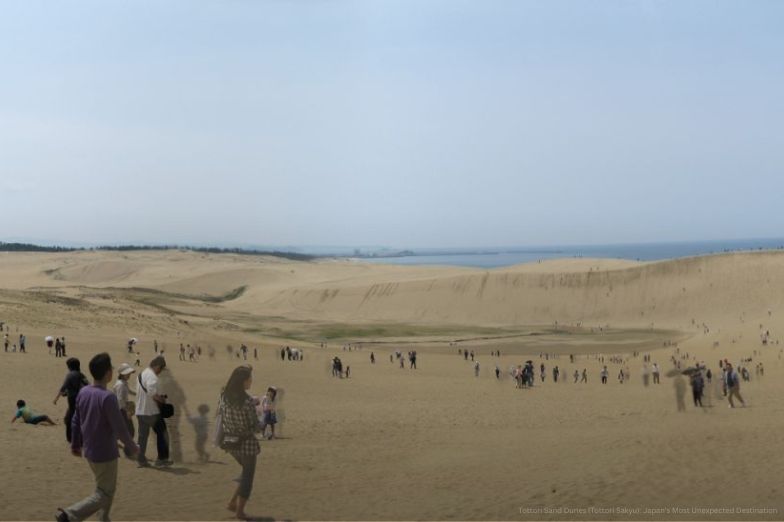
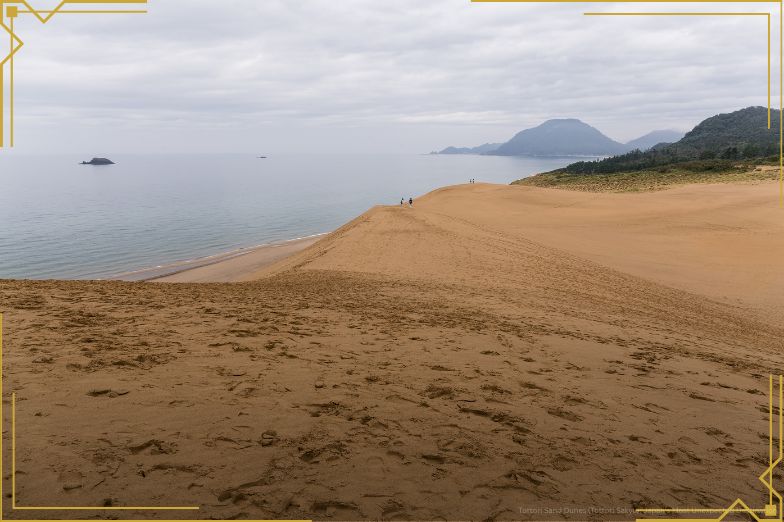
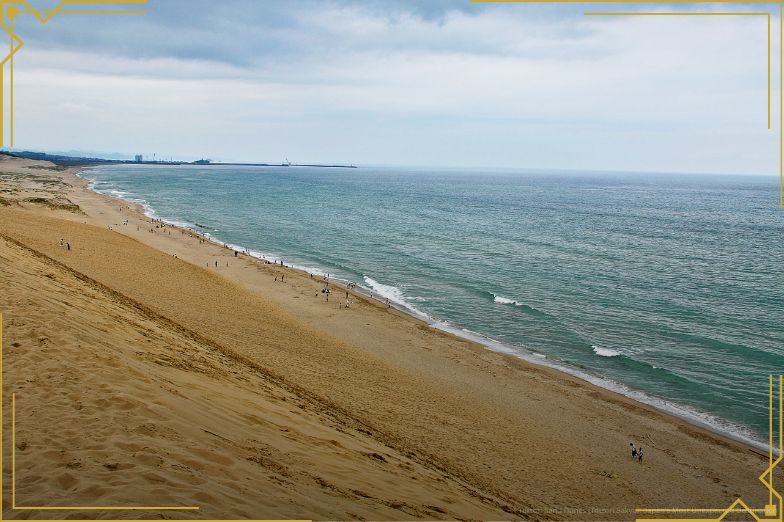
During our visit, we trekked all the way to the ocean, leaving a trail of footprints in the wind-rippled sand. There was something magical about knowing the coastal breeze would soon sweep the slopes clean, erasing any trace of our journey.
Tottori Sand Dunes at a Glance
| Detail | Info |
|---|---|
| Location | Tottori Prefecture, San'in Coast, western Honshu, Japan |
| Size | Approx. 16 km² — the largest sand dunes in Japan |
| Height | Up to 90 meters (295 ft) at the highest ridge |
| Width | Approx. 2.4 km (1.5 miles) from inland edge to ocean |
| Nearest City | Tottori City (approx. 10–15 minutes by bus or taxi) |
| From Tokyo | Approx. 3.5 hours by Shinkansen + limited express train |
| From Osaka | Approx. 2.5 hours by limited express train |
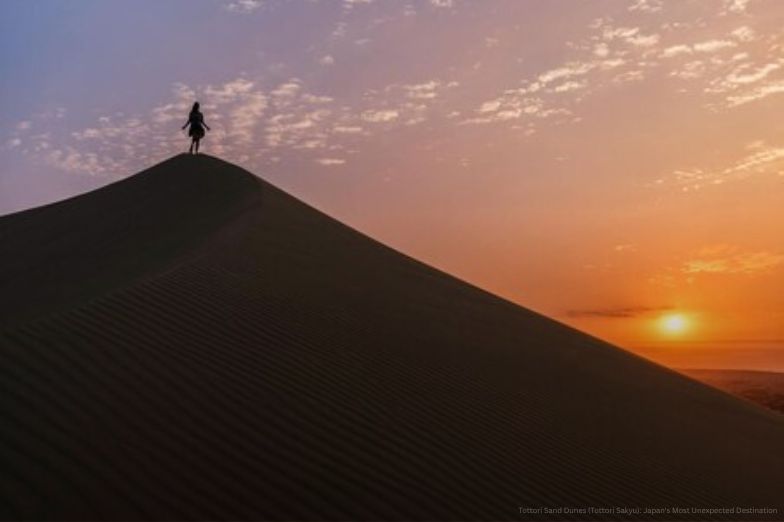
| Best Time of Day | Late afternoon. Golden hour turns the dunes a vivid orange. |
| Family-Friendly | Yes. Activities are available for all ages and fitness levels. |
| Nearby Attraction | Tottori Sand Museum (indoor sand sculpture gallery) |
What Are the Tottori Sand Dunes?
The Tottori Sand Dunes — known in Japanese as Tottori Sakyu — are the largest sand dunes in Japan, stretching approximately 16 square kilometers along the San’in Coast in Tottori Prefecture. The dunes rise up to 90 meters (295 feet) at their highest ridge and extend about 2.4 km from the inland edge to the Sea of Japan. They sit within the San’in Kinosakai National Park and are recognized as a Special Natural Monument of Japan.
For American travelers, the scale is the first thing that catches you off guard. These are not beach dunes. The Tottori Sand Dunes rival what you’d find in parts of the American Southwest — and the fact that they exist in Japan, a country most visitors associate with anything but desert scenery, makes them all the more striking.
The Best Time to Visit the Tottori Sand Dunes
Try to time your visit for late afternoon. The view from the top of the ridge is spectacular, especially as the sun sinks into the Sea of Japan, turning the entire landscape a brilliant, glowing orange. Golden hour at Tottori Sakyu is one of the most photogenic moments you will find anywhere in Japan.
As for the best season to visit — the honest answer is that there is no single wrong choice. The dunes are genuinely worth seeing year-round:
| Season | What to Expect | Traveler Tips |
|---|---|---|
| Spring (Mar–May) | Mild temperatures; green plants begin to emerge through the sand. | Great for hiking; less crowded than summer. |
| Summer (Jun–Aug) | Clear, bright skies with warm to hot temperatures. | Best light for photos; bring sun protection and water. |
| Autumn (Sep–Nov) | Rakkyo (Japanese scallion) blooms create a striking red-purple contrast across the dunes. | Unique color contrast — one of the most photogenic seasons. |
| Winter (Dec–Feb) | Snow dusts the dunes in rippling white. | Fewest crowds; surreal, almost otherworldly scenery. |
If you can only choose one, autumn stands out for the rare Rakkyo bloom, which adds a vivid red-purple wash to the landscape that no other season can match.
Things to Do at the Tottori Sand Dunes
Be warned: the dunes are massive, and trudging through the fine sand is a serious workout. Fortunately, you do not have to explore purely on foot. Whether you are after something leisurely or looking for an adrenaline hit, Tottori Sakyu delivers:
| Activity | Approx. Cost (USD) | Best For | Notes |
|---|---|---|---|
| Trekking to the Ocean | Free | All levels | No booking needed — just start walking. |
| Camel Ride | ~$10–15 USD | All ages | Classic Tottori experience. Book on arrival. |
| Sandboarding | ~$10–20 USD | Teens & Adults | Boards available for rental on-site. |
| Fat Biking | ~$15–25 USD | Teens & Adults | Guided or self-guided rides along the dunes. |
| Paragliding | ~$80–120 USD | Adults | Tandem flights available; booking recommended. |
| Hang Gliding | ~$80–150 USD | Adults | Seasonal availability; check ahead. |
| Sand Museum Visit | ~$8–12 USD | All ages | Separate attraction; allow 1–2 hrs. |
The camel rides have become something of a Tottori signature — there is a quiet absurdity to riding a camel across Japanese sand dunes with the Sea of Japan glittering behind you, and it is completely, perfectly worth it.
The Tottori Sand Museum: A Must-Visit Nearby Attraction
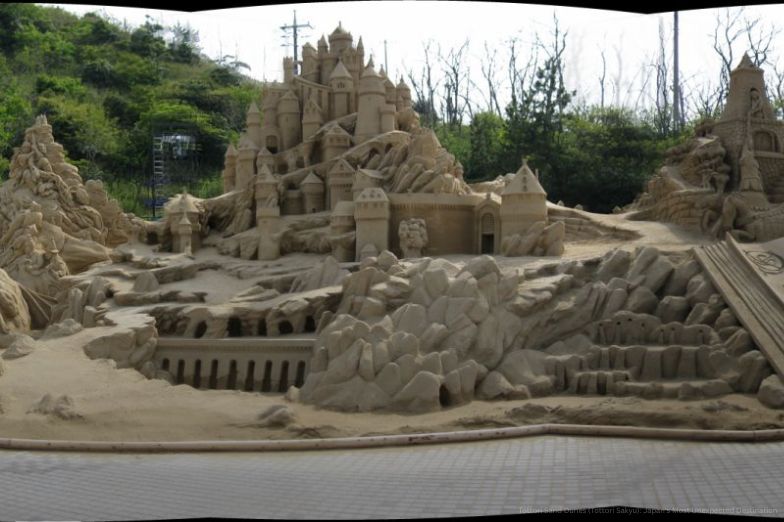
Just a short distance from the dunes, the Tottori Sand Museum is a must-visit. This indoor museum showcases incredibly detailed, large-scale sand sculptures created by artists from around the world. The themes rotate annually, which means no two visits are ever quite the same.
The sheer level of craftsmanship in these temporary masterpieces is genuinely mind-blowing. Sand sculptures of this scale and precision do not exist in many places in the world, and the fact that they are on display in a small prefecture on Japan’s western coast makes the discovery feel all the more special. Budget one to two hours here on top of your dunes visit.
Are the Tottori Sand Dunes Family-Friendly?
Yes — and surprisingly so. Even though our kids were quite young during our trip, they absolutely loved it. The dunes provide an enormous, open, safe space for children to run, climb, and explore without the constraints of a museum or historic site.
In fact, seeing the professional sculptures at the Tottori Sand Museum immediately inspired them to grab their own buckets and shovels and start crafting their own mini-masterpieces in the sand outside. That spontaneous creative moment turned out to be one of the best unplanned parts of the whole day.
Frequently Asked Questions About the Tottori Sand Dunes
Where are the Tottori Sand Dunes located?
The Tottori Sand Dunes (Tottori Sakyu) are located in Tottori Prefecture on the San’in Coast of western Honshu, Japan. They sit within the San’in Kinosakai National Park, approximately 10 to 15 minutes by bus or taxi from Tottori City.
How far are the Tottori Sand Dunes from Tokyo or Osaka?
From Tokyo, the dunes are approximately 3.5 hours by Shinkansen to Okayama and then a limited express train to Tottori. From Osaka, the journey takes roughly 2.5 hours by limited express (Super Hakuto or similar). Tottori is well connected by rail and makes an excellent one- or two-day side trip from either city.
What is the best time of year to visit the Tottori Sand Dunes?
There is no single best season — each offers something distinct. Autumn is arguably the most visually striking, when the Rakkyo (Japanese scallion) flowers bloom in red and purple across the dunes. Summer brings bright skies ideal for photography. Winter offers rare snowy dunes with almost no crowds. Spring brings lush green plants pushing through the sand. Whatever the season, try to arrive in the late afternoon to catch golden hour from the top ridge.
What activities are available at the Tottori Sand Dunes?
The dunes offer camel rides, sandboarding, fat biking, paragliding, and hang gliding in addition to free trekking to the ocean. Costs typically range from around $10 USD for a camel ride to $80–150 USD for tandem paragliding or hang gliding. Most activities can be booked on arrival, though advance reservations are recommended for paragliding and hang gliding.
Are the Tottori Sand Dunes worth visiting?
Absolutely — especially for American travelers who do not typically associate Japan with dramatic desert landscapes. The scale surprises almost everyone who visits. Combined with the nearby Tottori Sand Museum, it makes for a full, genuinely memorable day that stands apart from the more well-worn Japan itinerary.
What is the Tottori Sand Museum?
The Tottori Sand Museum (Tottori Sakyu Sand Museum) is an indoor gallery located near the dunes that showcases large-scale sand sculptures created by artists from around the world. The theme changes annually. Entry costs approximately $8 to $12 USD and the museum typically requires one to two hours to explore comfortably.
How big are the Tottori Sand Dunes?
The Tottori Sand Dunes cover approximately 16 square kilometers — the largest dunes in Japan. They rise up to 90 meters (295 feet) at the highest ridge and extend around 2.4 km (1.5 miles) from the inland edge to the Sea of Japan shoreline.
Are the Tottori Sand Dunes family-friendly?
Yes. The dunes are an excellent destination for families with children of all ages. The open landscape gives kids enormous room to run and explore, and activities like camel rides appeal to younger visitors. The Tottori Sand Museum nearby adds a creative, hands-on dimension that tends to inspire children who see the professional sculptures to start creating their own.
What should I wear to the Tottori Sand Dunes?
Wear comfortable, closed-toe shoes — sandals or flip-flops will fill with sand immediately and make the trek far harder than it needs to be. Light layers are recommended, as coastal winds can shift quickly. Sunscreen, sunglasses, and a hat are essential, particularly in summer. If you plan to sandboard or bike, wear clothes you do not mind getting sandy.
How long do you need at the Tottori Sand Dunes?
Allow a minimum of two to three hours for the dunes themselves — including the trek to the ocean and time at the top of the ridge for the view. Add another one to two hours if you plan to visit the Tottori Sand Museum. A half-day is the comfortable minimum; a full day lets you do everything without rushing.